Dubai’s Autonomous Transportation Strategy set a goal of transforming 25% of total transportation into autonomous modes by 2030. The legacy Academy4Tech page highlighted the strategy as a reason to build capability in robotics and autonomous systems.
The engineering stack behind autonomy
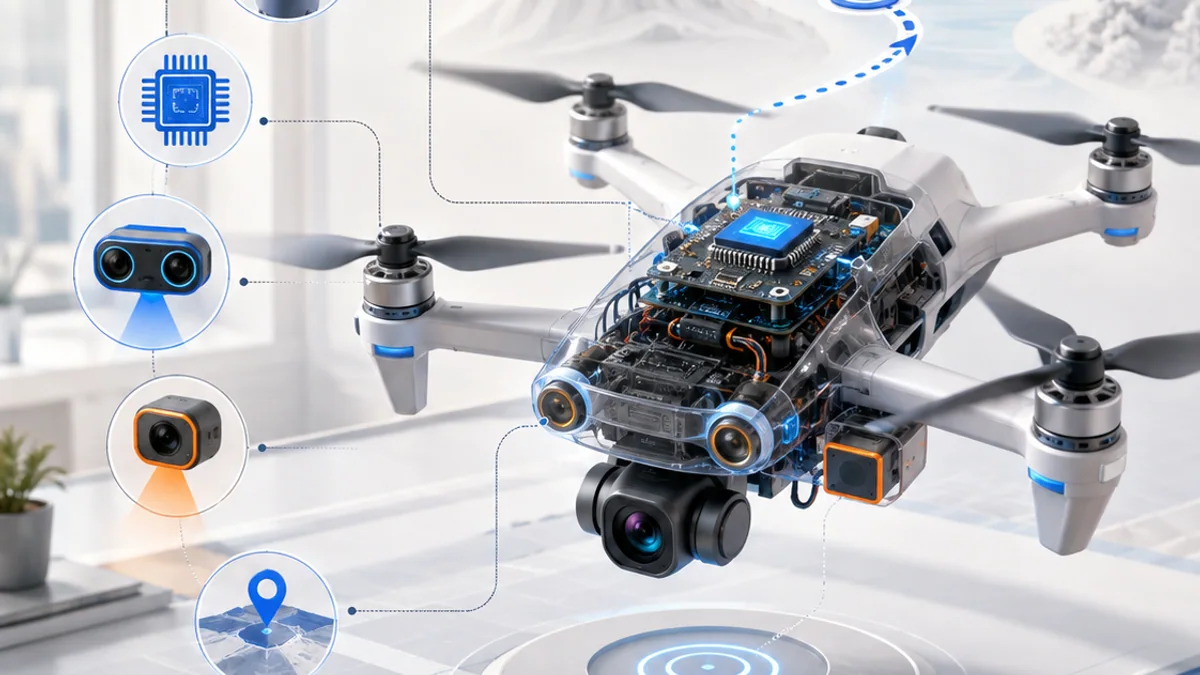
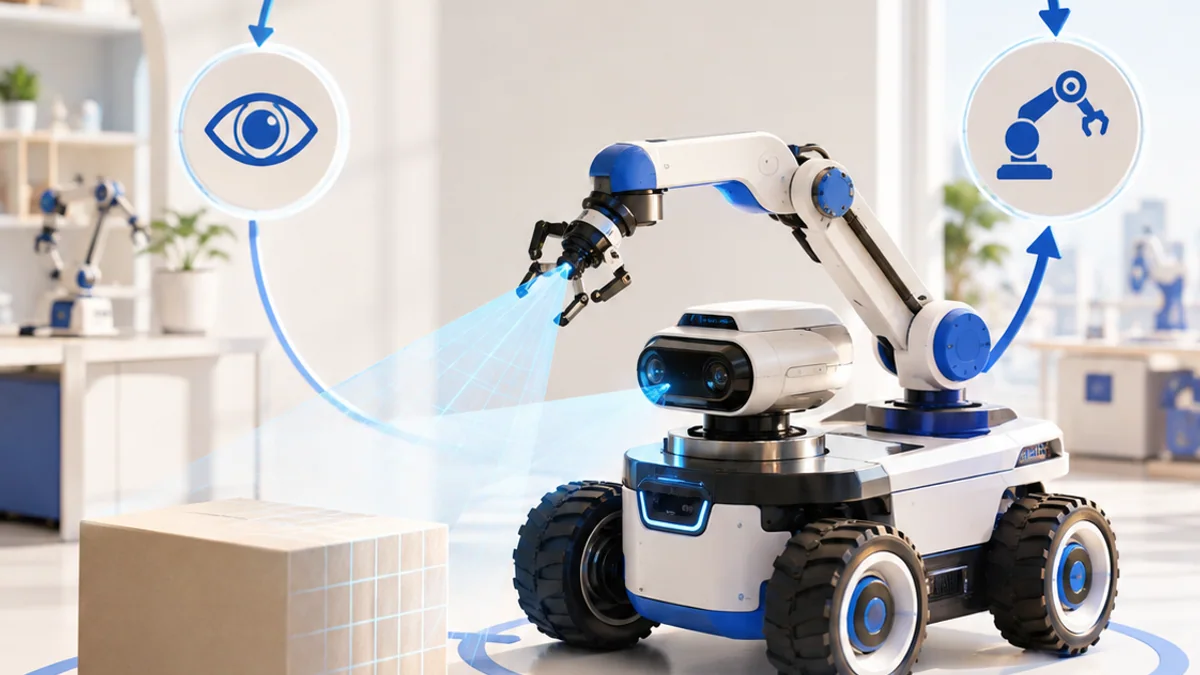
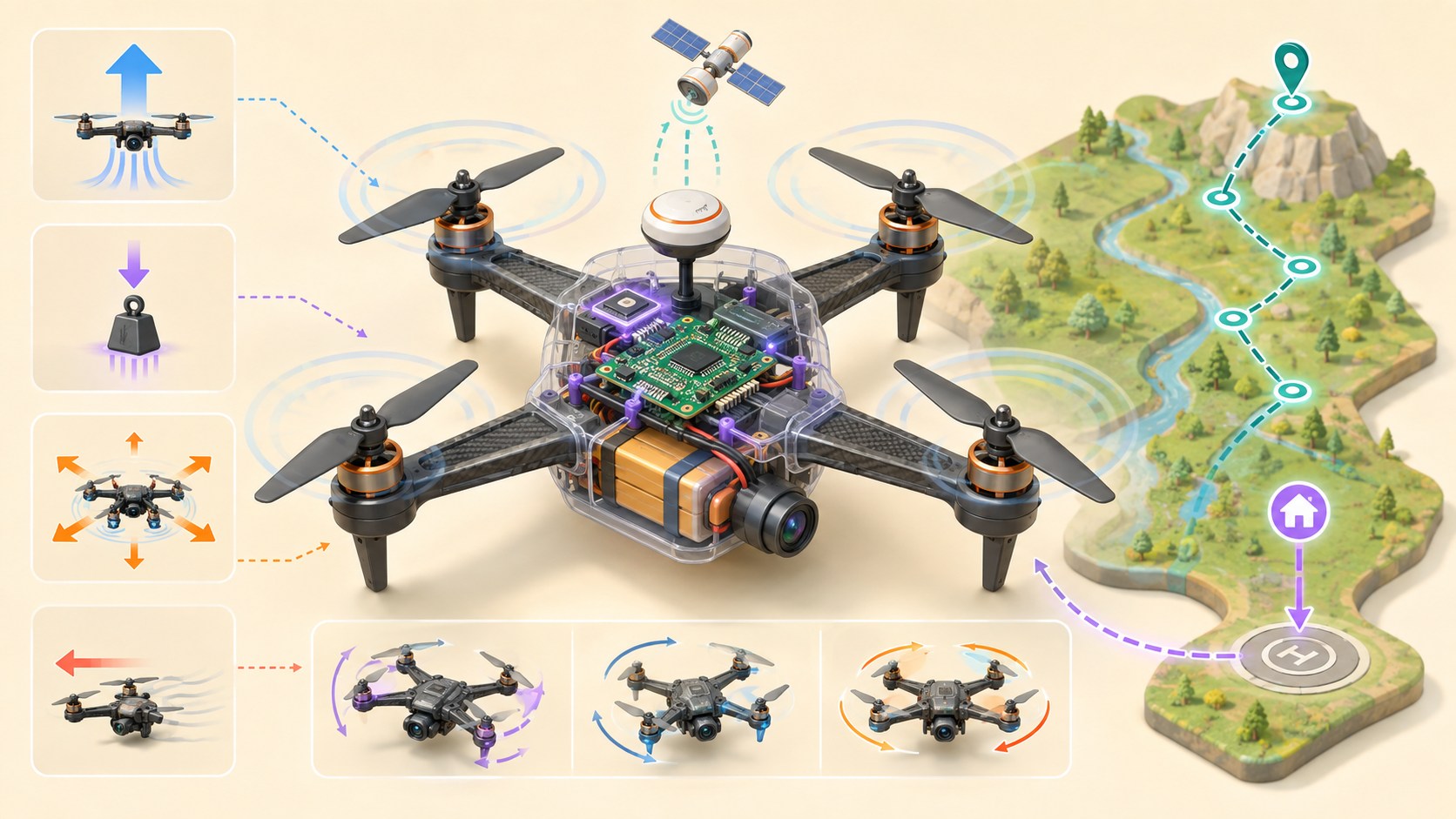
Autonomous transportation depends on far more than a single AI model. It combines sensing, localization, planning, control, communication, safety engineering, infrastructure and regulation. That makes it an especially useful frame for multidisciplinary learning.
The old page organized the strategy around four pillars: individuals, technology, legislative structure and infrastructure. It named metro, buses and taxis as priority sectors.
From policy target to practical learning
Students can approach the field in manageable layers:
- Program and test small behaviors in Python or C++.
- Read encoders, IMUs and distance sensors.
- Build a teleoperated ground platform.
- Add ROS for modular communication and visualization.
- Study localization, mapping and path planning.
- Add cameras or LiDAR only after the base system is measurable and safe.
Academy4Tech’s WildeBeest Pro project is one example of a platform that brings many of those elements together.
Source note
The legacy page cited a WAM news-agency report. Targets and economic estimates should be checked against current official Dubai government material before being quoted in new research or commercial work.