This page is migrated from a public Academy4Tech project record and reorganized for clarity. Unverified build values have not been invented.
Documented hardware
- DJI M600 Pro interface
- 3D-printed seed container
- CO₂ source
- Inline regulator
- Servo
- Solenoid
- Vision sensor
Documented software
- Microcontroller firmware
- DJI API integration planned
Project overview
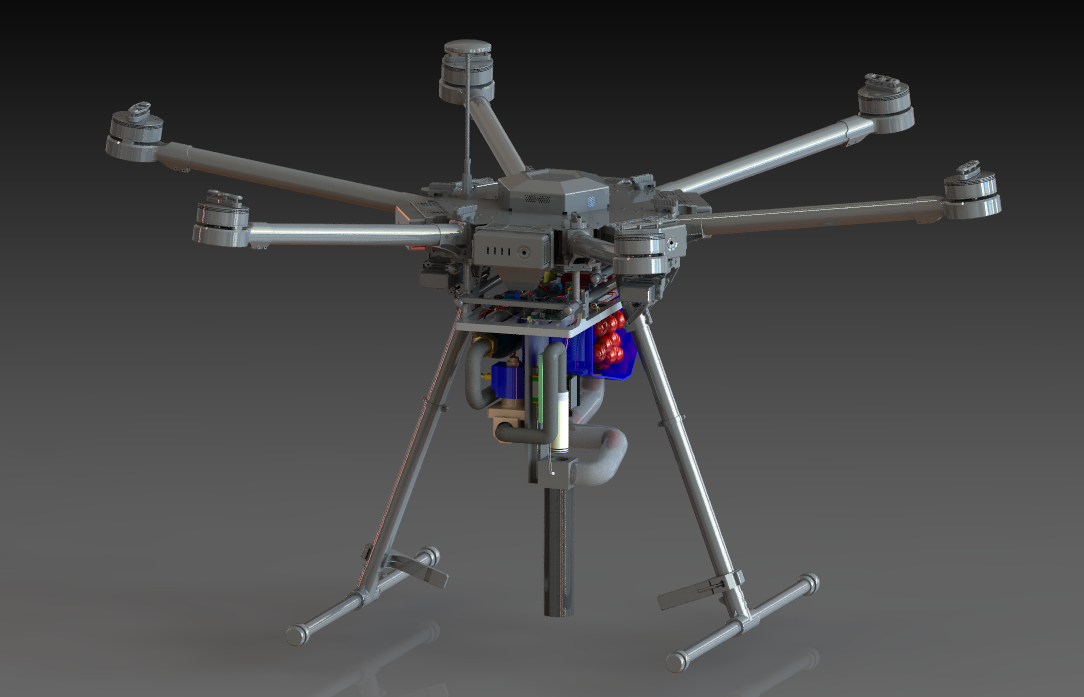
The MBZIRC afforestation project developed a planting-payload concept for the DJI M600 Pro. The goal was to deliver seeds in difficult terrain using a drone-mounted system. The recorded workflow covered objective definition, concept development, system-level design, modelling, prototyping and testing.
Revision 01 stages
1. Payload support frame
The support frame attaches to the DJI drone with thumbscrews so the payload can be mounted and removed.
2. Seed container
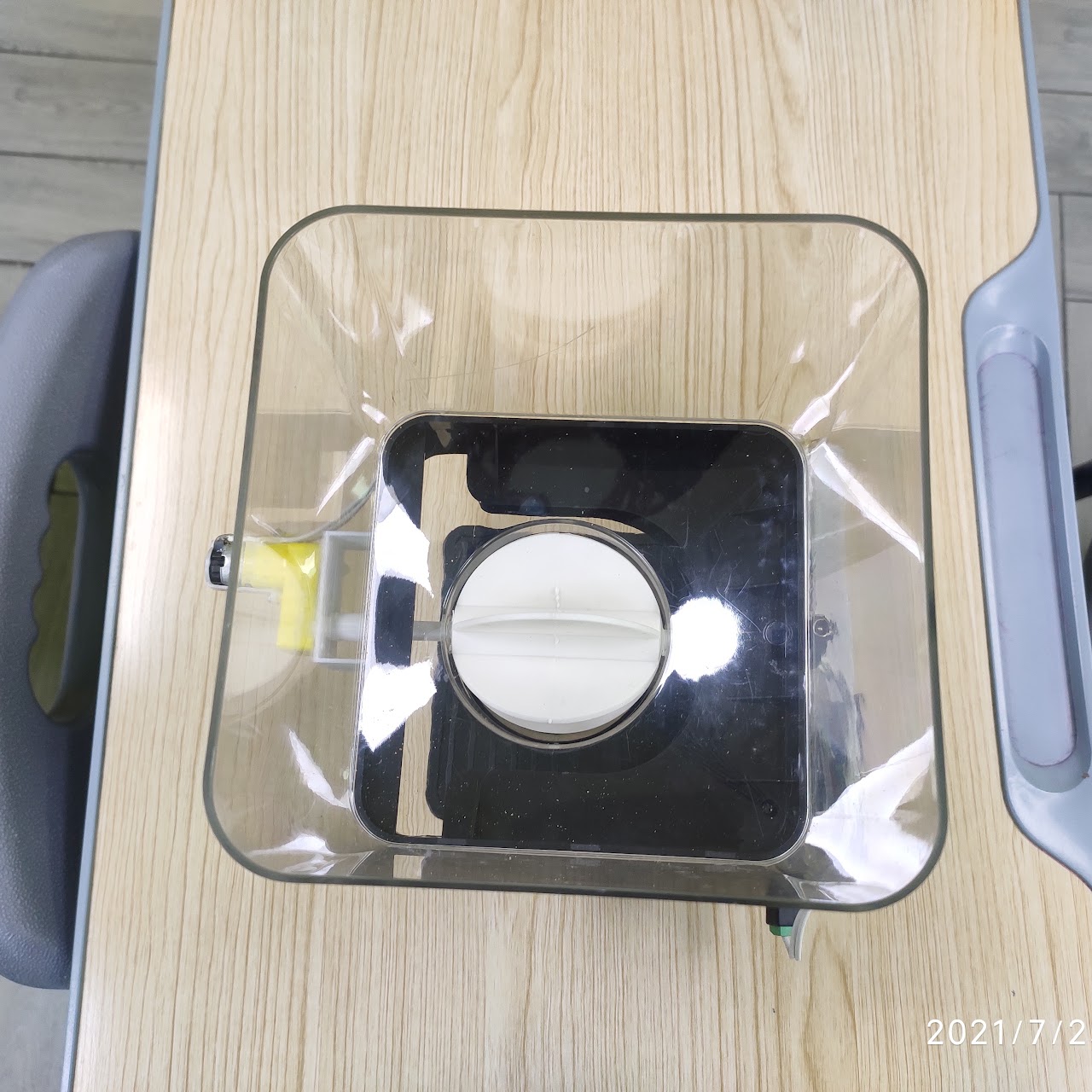
The documented seed container is 3D printed and attached to the support frame.
3. Firing mechanism
The concept combines a vision sensor, linear nozzle guide, compressed CO₂, a servo and a solenoid. After the drone provides a signal, the vision system checks that a seed is present in the injection slot. The servo advances the seed approximately 30 cm out of the slot, then the solenoid triggers the pneumatic action.
The page notes that an inline regulator is required to reduce pressure to 1 MPa.
Electrical and integration work
The electronics were designed around Arduino and its subsystems. The legacy document identifies several items still needing engineering work:
- Communication between the DJI M600 API and the microcontroller.
- Selection of the inline regulator for the required air pressure.
- Detent design.
- Repeated fabrication, test and validation.
- Consolidating the electronics on a PCB.
This is a migrated concept record, not a complete or safety-certified build guide. Pressurized systems and aircraft payloads require formal engineering review, validated containment and compliance with the aircraft manufacturer’s limits.
Alternative concept
The original page also considers a tennis-ball-launcher-style mechanism using high-speed motors. It was proposed as a potentially lower-cost, refill-free alternative, but motor selection, power consumption, torque and field performance remained unverified.